
Introduction
Thailand is one of the most popular travel destinations in Southeast Asia. From the busy streets of Bangkok to the peaceful islands in the south and the cultural attractions of Chiang Mai, the country offers unforgettable experiences for travelers. However, understanding local transportation can make a huge difference in how comfortable and affordable your trip becomes.
Many first-time visitors worry about getting around unfamiliar cities, dealing with language barriers, or choosing the most cost-effective transport options. Fortunately, Thailand has a well-developed transportation network that includes buses, trains, taxis, tuk-tuks, ferries, metro systems, and domestic flights. Learning a few Thailand local transport tips before your trip can help you save money, avoid scams, and travel with confidence.
Whether you are planning a short vacation or a long-term adventure, knowing how transportation works will allow you to explore more destinations without unnecessary stress. Different cities and regions offer different travel options, and understanding when to use each one is essential.
What is Thailand Local Transport Tips?
Thailand local transport tips refer to practical advice and recommendations that help travelers use transportation services efficiently while exploring the country. These tips include understanding transportation options, recognizing fair prices, choosing safe routes, and using public transit systems effectively.
Thailand offers various transportation methods depending on the location. In major cities, travelers often use metro systems, buses, taxis, and ride-hailing services. In tourist areas, tuk-tuks and songthaews are common. Coastal regions and islands rely heavily on ferries and speedboats.
Learning these transportation tips helps visitors avoid confusion, reduce travel expenses, and maximize their time while exploring Thailand. The goal is to make transportation easier, safer, and more convenient for every traveler.
Why is Thailand Local Transport Tips Important?
Understanding transportation in Thailand is important for several reasons.
First, it helps travelers save money. Many visitors unknowingly pay higher prices because they are unfamiliar with local transportation costs.
Second, proper transportation knowledge increases safety. Travelers who understand official transport systems are less likely to encounter scams or unreliable services.
Third, efficient transportation planning saves valuable vacation time. Instead of spending hours figuring out routes, travelers can move quickly between attractions.
Additionally, transportation knowledge improves overall travel experiences. Visitors can confidently explore destinations beyond popular tourist zones and discover authentic local culture.
Detailed Step-by-Step Guide
Step 1: Learn the Main Transportation Options
Before arriving in Thailand, familiarize yourself with the available transportation choices.
Common options include:
- BTS Skytrain
- MRT Subway
- Public buses
- Taxis
- Tuk-tuks
- Songthaews
- Trains
- Ferries
- Domestic flights
- Ride-hailing services
Each transportation type serves different purposes depending on your destination and budget.
Step 2: Use the BTS Skytrain in Bangkok
The BTS Skytrain is one of the easiest ways to travel around Bangkok.
Benefits include:
- Fast travel
- Air-conditioned trains
- Reliable schedules
- Avoidance of traffic jams
Purchase tickets from station machines or ticket counters. For multiple trips, consider purchasing a rechargeable travel card for added convenience.
Step 3: Take Advantage of the MRT Subway
The MRT Subway complements the BTS system and connects important areas throughout Bangkok.
Many attractions, shopping centers, and business districts are accessible through the MRT network. Stations are clean, modern, and easy to navigate even for first-time visitors.
Combining BTS and MRT travel often provides the fastest way to explore Bangkok.
Step 4: Understand Taxi Usage
Taxis are widely available in Thailand’s major cities.
Important taxi tips include:
- Ensure the driver uses the meter
- Avoid fixed-price offers when possible
- Carry small cash notes
- Keep destination details written down
Metered taxis are generally affordable and comfortable for longer distances.
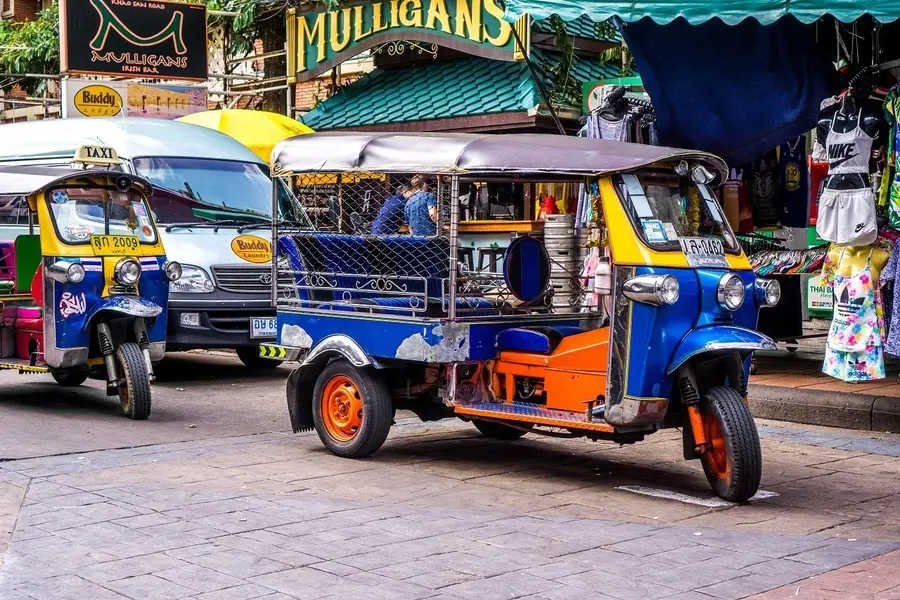
Step 5: Be Smart When Using Tuk-Tuks
Tuk-tuks are iconic three-wheeled vehicles commonly found in tourist areas.
Before entering a tuk-tuk:
- Agree on the fare
- Confirm the destination
- Avoid shopping-stop tours unless interested
Tuk-tuks are excellent for short rides and unique travel experiences, but they are often more expensive than metered taxis.
Step 6: Try Ride-Hailing Applications
Ride-hailing services have become increasingly popular throughout Thailand.
Advantages include:
- Transparent pricing
- Cashless payment options
- Route tracking
- Reduced language barriers
These services provide convenient transportation in major cities and tourist destinations.
Step 7: Use Trains for Long-Distance Travel
Thailand’s railway system connects many regions across the country.
Train travel offers:
- Scenic views
- Comfortable seating
- Affordable fares
- Overnight travel options
Popular routes connect Bangkok with Chiang Mai, Ayutthaya, and southern provinces.
Booking tickets in advance is recommended during peak travel seasons.
Step 8: Travel by Bus for Budget-Friendly Transportation
Buses remain one of the cheapest ways to travel within Thailand.
Options include:
- Local buses
- Intercity buses
- VIP buses
- Overnight coaches
Long-distance buses often provide comfortable seating and onboard amenities.
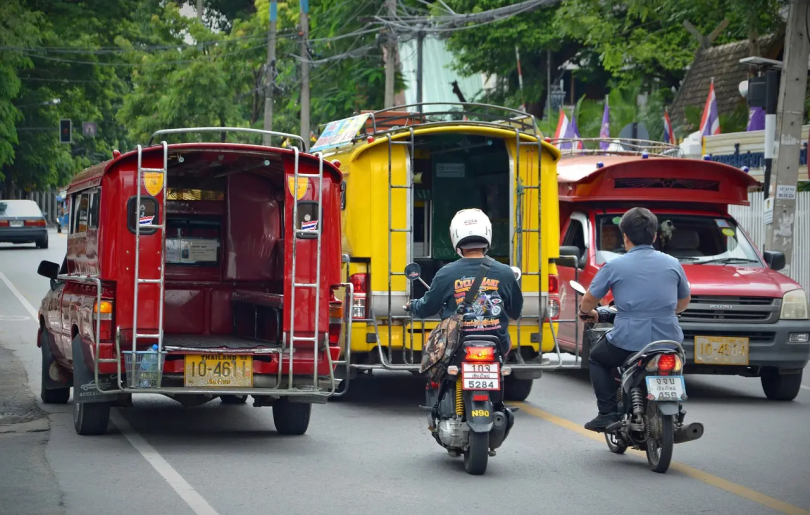
Step 9: Understand Songthaews
Songthaews are shared pickup trucks equipped with passenger benches.
They are commonly used in:
- Chiang Mai
- Pattaya
- Phuket
- Smaller towns
Fares are usually inexpensive, making them a popular option among budget travelers.
Step 10: Use Ferries and Boats Safely
Thailand’s islands depend heavily on water transportation.
When using ferries:
- Arrive early
- Check weather conditions
- Keep valuables secure
- Purchase tickets from reputable operators
Ferries connect destinations such as Phuket, Koh Samui, Koh Phi Phi, and Krabi.
Step 11: Consider Domestic Flights
For long distances, domestic flights can save significant travel time.
Popular flight routes include:
- Bangkok to Chiang Mai
- Bangkok to Phuket
- Bangkok to Krabi
- Bangkok to Surat Thani
Budget airlines frequently offer affordable fares when booked early.
Step 12: Carry Cash for Local Transportation
Although digital payments are becoming more common, many local transportation providers still prefer cash.
Always carry:
- Small bills
- Coins
- Emergency cash reserves
This preparation prevents payment difficulties during travel.
Benefits of Thailand Local Transport Tips
Following Thailand local transport tips provides several advantages:
- Saves transportation expenses
- Reduces travel stress
- Helps avoid common scams
- Improves travel efficiency
- Increases personal safety
- Makes trip planning easier
- Enhances local cultural experiences
- Provides access to hidden attractions
- Reduces dependence on expensive tours
- Encourages independent travel
- Improves confidence while exploring
- Helps maximize vacation time
Disadvantages / Risks
While transportation in Thailand is generally convenient, travelers should understand potential challenges:
- Traffic congestion in major cities
- Language barriers in some regions
- Overcharging by certain drivers
- Seasonal ferry disruptions
- Delays during holidays
- Crowded public transportation
- Limited transport options in remote areas
- Occasional route confusion for first-time visitors
- Increased travel times during peak periods
- Weather-related transportation interruptions
Awareness of these risks allows travelers to prepare accordingly.
Common Mistakes to Avoid
Many visitors make transportation mistakes that can easily be prevented.
One common mistake is failing to negotiate tuk-tuk fares beforehand. This often results in unexpected costs.
Another mistake involves refusing to use public transit systems. Many travelers rely exclusively on taxis and spend significantly more money than necessary.
Some tourists underestimate travel times in Bangkok. Heavy traffic can turn short journeys into lengthy trips.
Not carrying enough cash is another frequent issue. Smaller transport providers may not accept cards or digital payments.
Ignoring ferry schedules can also create problems when traveling between islands.
Travelers sometimes fail to verify transportation prices before departure, leading to unnecessary expenses.
FAQs
1. What is the cheapest transportation option in Thailand?
Public buses and local trains are generally the cheapest transportation methods. Songthaews are also affordable in many cities and tourist destinations.
2. Are taxis safe in Thailand?
Yes, taxis are generally safe when using licensed vehicles. Always request that the driver use the meter and avoid unofficial transportation services whenever possible.
3. Is public transportation easy for tourists?
Public transportation is relatively easy to use, especially in Bangkok. BTS and MRT systems provide clear signage and straightforward routes for visitors.
4. Should I use tuk-tuks regularly?
Tuk-tuks are enjoyable for short rides and cultural experiences. However, they are not always the most economical option compared to taxis or public transit.
5. Are domestic flights worth it?
Domestic flights are worthwhile when traveling long distances. They save time and are often reasonably priced, especially when booked in advance.
6. How much cash should I carry for transportation?
The amount depends on your travel plans, but carrying small bills and enough cash for daily transportation expenses is recommended.
7. Can I travel between islands without booking in advance?
During low seasons, same-day bookings may be available. However, advance reservations are advisable during peak tourist periods to secure seats.
8. What transportation is best for Bangkok?
The BTS Skytrain and MRT Subway are often the fastest and most efficient transportation methods for navigating Bangkok.
Expert Tips & Bonus Points
Experienced travelers often follow several additional strategies.
Download offline maps before arriving at your destination. This helps when internet access is limited.
Save hotel addresses in both English and Thai. Showing written addresses to drivers reduces communication challenges.
Travel outside peak rush hours whenever possible to avoid traffic delays.
Compare transportation options before choosing a route. Sometimes trains are faster than buses, while ferries may offer more scenic experiences.
Book long-distance transportation early during festivals and holidays when demand increases significantly.
Keep emergency contact information accessible throughout your trip.
Learn a few basic Thai transportation phrases. Even simple greetings and destination names can improve communication with local drivers.
Store transportation receipts when traveling between cities. These can be useful if questions arise regarding schedules or bookings.
Remain flexible with travel plans, especially during rainy seasons when transportation schedules occasionally change.
Most importantly, observe how locals travel. Their transportation choices often reveal the fastest and most cost-effective ways to move around.
Conclusion
Thailand offers one of the most diverse and accessible transportation networks in Southeast Asia. Whether you are exploring Bangkok’s modern transit systems, riding a traditional tuk-tuk through busy streets, taking a scenic train journey across the countryside, or hopping on a ferry to a tropical island, transportation plays a major role in shaping your travel experience.
Understanding Thailand local transport tips allows travelers to move confidently between destinations while saving money and avoiding common problems. By learning when to use trains, buses, taxis, ride-hailing services, ferries, and public transit systems, visitors can enjoy smoother journeys and spend more time experiencing Thailand’s attractions.
Preparation is the key to successful transportation planning. Research routes in advance, carry sufficient cash, monitor schedules, and remain aware of local transportation practices. These simple habits can make a noticeable difference throughout your trip.