
Introduction
Thai cuisine culture is one of the most fascinating culinary traditions in the world. Known for its balance of sweet, sour, salty, spicy, and bitter flavors, Thai food offers much more than delicious meals. It reflects the country’s history, values, traditions, and way of life. From bustling street markets to elegant family dinners, food plays a central role in Thai society.
Many travelers visit Thailand specifically to experience its famous dishes. However, understanding Thai cuisine culture goes beyond tasting popular meals. It includes learning about ingredients, cooking techniques, dining etiquette, regional specialties, and the social importance of sharing food.
Thailand’s culinary heritage has been influenced by neighboring countries, trade routes, royal traditions, and local agricultural practices. As a result, Thai cuisine has evolved into a unique food culture recognized around the globe.
What is Thai Cuisine Culture?
Thai cuisine culture refers to the traditions, practices, ingredients, cooking methods, dining customs, and social values associated with food in Thailand.
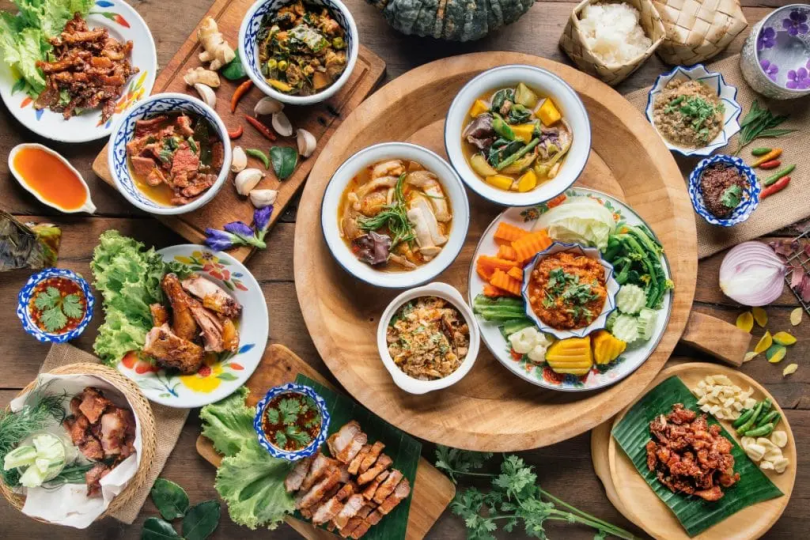
Unlike many food traditions that focus on a single dominant flavor, Thai cuisine culture emphasizes harmony and balance. Every dish is carefully crafted to create a pleasant combination of tastes and textures. Meals often include multiple dishes served together rather than individual courses.
Key elements of Thai cuisine culture include:
- Fresh ingredients
- Aromatic herbs and spices
- Balanced flavors
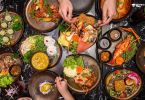
- Communal dining
- Regional diversity
- Respect for food traditions
Popular ingredients commonly used include:
- Lemongrass
- Galangal
- Thai basil
- Kaffir lime leaves
- Chili peppers
- Coconut milk
- Fish sauce
- Jasmine rice
Food in Thailand is not simply nourishment. It serves as a way to bring people together, celebrate important occasions, and preserve cultural identity.
Why is Thai Cuisine Culture Important?
Thai cuisine culture holds significant value for both Thailand and the international community.
First, it helps preserve the country’s cultural heritage. Traditional recipes passed through generations keep historical knowledge alive.
Second, it strengthens social connections. Families and friends often gather around shared meals, reinforcing relationships and community bonds.
Third, Thai cuisine contributes greatly to tourism. Millions of visitors travel to Thailand each year to experience authentic food markets, cooking classes, and local restaurants.
Fourth, Thai food supports local farmers, fishermen, and food producers who provide fresh ingredients used throughout the country.
Detailed Step-by-Step Guide
Step 1: Understand the Core Flavor Balance
The foundation of Thai cuisine culture lies in balancing flavors.
Traditional Thai cooking combines:
- Sweet
- Sour
- Salty
- Spicy
- Bitter
For example, a bowl of Tom Yum soup may include lime juice for sourness, fish sauce for saltiness, chilies for heat, and herbs for aromatic complexity.
Understanding this balance is essential for appreciating authentic Thai dishes.
Step 2: Learn About Essential Thai Ingredients
Ingredients are the heart of Thai cooking.
Some of the most important ingredients include:
- Fish Sauce
- Coconut Milk
- Thai Chili Peppers
- Palm Sugar
- Tamarind
- Garlic
- Shallots
- Jasmine Rice
These ingredients create the distinctive flavors that define Thai cuisine culture.
Step 3: Explore Regional Thai Food
Thailand has several culinary regions, each with unique specialties.
Northern Thailand
Northern dishes tend to be milder and heavily influenced by mountain communities.
Popular examples include:
- Khao Soi
- Sai Ua sausage
- Nam Prik dips
Northeastern Thailand
Also known as Isan cuisine, this region features bold and spicy flavors.
Popular dishes include:
- Som Tam
- Larb
- Grilled meats
Central Thailand
This region is home to many internationally recognized dishes.
Examples include:
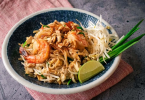
- Pad Thai
- Green Curry
- Tom Yum
Southern Thailand
Southern cuisine often uses seafood and stronger spices.
Popular dishes include:
- Massaman Curry
- Yellow Curry
- Seafood curries
Step 4: Understand Traditional Cooking Techniques
Thai cuisine culture includes several important cooking methods.
Common techniques include:
- Stir-frying
- Grilling
- Steaming
- Boiling
- Deep-frying
- Curry preparation
Each technique helps preserve ingredient freshness while enhancing flavor.
Step 5: Experience Thai Street Food
Street food is a major part of Thai cuisine culture.
Street vendors offer freshly prepared dishes that are affordable and flavorful.
Popular street foods include:
- Pad Thai
- Mango Sticky Rice
- Satay
- Fried Rice
- Boat Noodles
Visiting local food markets provides valuable insight into everyday Thai eating habits.
Step 6: Learn Thai Dining Etiquette
Dining etiquette reflects cultural values.
Important customs include:
- Sharing dishes with everyone at the table
- Showing respect to elders
- Using serving spoons
- Avoiding waste
- Waiting for others before beginning
These practices emphasize community and consideration for others.
Step 7: Understand the Role of Rice
Rice is central to Thai cuisine culture.
Jasmine rice is the most common variety and accompanies many meals.
In Thailand, asking whether someone has eaten rice can be another way of asking whether they have eaten a meal.
This demonstrates the importance of rice in everyday life.
Step 8: Appreciate Thai Desserts
Thai desserts offer unique flavors and textures.
Popular choices include:
- Mango Sticky Rice
- Coconut Custard
- Banana in Coconut Milk
- Thai Jelly Desserts
Many desserts incorporate coconut, rice, and tropical fruits.
Step 9: Participate in Thai Food Festivals
Food festivals provide opportunities to explore local traditions.
Visitors can enjoy:
- Regional specialties
- Cooking demonstrations
- Traditional performances
- Cultural celebrations
These events help preserve and promote Thai cuisine culture.
Step 10: Practice Cooking Thai Food at Home
One of the best ways to understand Thai cuisine culture is by preparing dishes yourself.
Start with beginner-friendly recipes such as:
- Pad Thai
- Green Curry
- Tom Yum Soup
- Fried Rice
As your skills improve, experiment with more advanced regional recipes.
Benefits of Thai Cuisine Culture
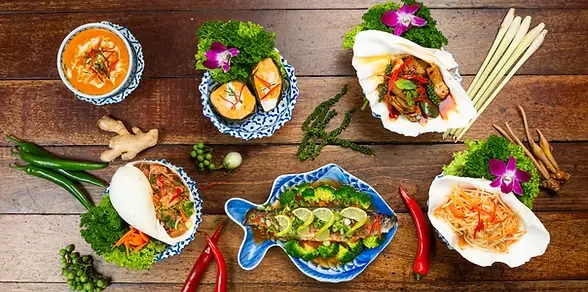
Thai cuisine culture offers numerous advantages.
- Encourages balanced eating habits
- Uses many fresh ingredients
- Promotes family and community bonding
- Preserves cultural heritage
- Supports local agriculture
- Provides culinary diversity
- Encourages creativity in cooking
- Offers memorable travel experiences
- Introduces unique flavors and ingredients
- Helps people appreciate global food traditions
Many Thai dishes also contain vegetables, herbs, and spices that contribute to overall dietary variety.
Disadvantages / Risks
While Thai cuisine culture has many strengths, there are some challenges and risks.
- Certain dishes may be very spicy for beginners
- Some recipes require hard-to-find ingredients
- High sodium content may be present in certain sauces
- Street food quality can vary by location
- Traditional recipes may require extensive preparation
- Some dishes contain allergens such as seafood or peanuts
- Excessive consumption of fried foods may affect health
- Authentic flavor balance can be difficult for beginners to achieve
Being aware of these factors can help people enjoy Thai food responsibly.
Common Mistakes to Avoid
Many people misunderstand Thai cuisine culture when first exploring it.
One common mistake is assuming every Thai dish is extremely spicy. While some recipes are hot, many focus more on flavor balance than heat.
Another mistake is ignoring regional differences. Thai food varies significantly across different parts of the country.
Many beginners also rely heavily on pre-made sauces. Authentic Thai cooking often uses fresh ingredients for better flavor.
Overlooking dining etiquette can also reduce the cultural experience. Sharing food is an important aspect of Thai meals.
Some people focus only on famous dishes and miss lesser-known regional specialties that provide deeper insight into Thai cuisine culture.
FAQs
1. What makes Thai cuisine unique?
Thai cuisine culture is unique because of its careful balance of sweet, sour, salty, spicy, and bitter flavors. The combination creates complex yet harmonious dishes.
2. Is all Thai food spicy?
No. While many dishes include chili peppers, numerous Thai recipes are mild or moderately seasoned. Flavor balance is more important than extreme heat.
3. What is the most important ingredient in Thai cuisine?
There is no single ingredient, but fish sauce, jasmine rice, coconut milk, and fresh herbs play major roles in many traditional dishes.
4. Why is sharing food important in Thailand?
Sharing reflects community values and strengthens social connections. Multiple dishes are often placed in the center of the table for everyone to enjoy together.
5. What are the most famous Thai dishes?
Popular examples include:
- Pad Thai
- Tom Yum Soup
- Green Curry
- Massaman Curry
- Som Tam
- Mango Sticky Rice
These dishes represent different aspects of Thai cuisine culture.
6. Can beginners learn Thai cooking at home?
Yes. Many recipes are suitable for beginners. Starting with simple dishes allows new cooks to understand key ingredients and flavor combinations.
7. How does geography influence Thai food?
Different climates and local ingredients shape regional cuisines. Coastal areas often feature seafood, while northern regions emphasize herbs, vegetables, and unique spice blends.
8. Why is rice so important in Thai cuisine culture?
Rice serves as a staple food and accompanies many meals. It is deeply connected to Thailand’s agricultural history and daily life.
Expert Tips & Bonus Points
To gain a deeper understanding of Thai cuisine culture, consider these expert recommendations.
- Taste authentic dishes before attempting to cook them.
- Learn the purpose of each ingredient rather than memorizing recipes.
- Visit local markets when traveling in Thailand.
- Experiment gradually with spice levels.
- Study regional food traditions separately.
- Use fresh herbs whenever possible.
- Practice balancing flavors instead of focusing on one dominant taste.
- Observe how Thai families share meals.
- Try seasonal dishes that reflect local agricultural cycles.
- Keep an open mind when encountering unfamiliar ingredients.
Bonus tip: The best Thai meals often combine contrasting textures, such as crispy, soft, crunchy, and creamy elements within the same dining experience.
Conclusion
Thai cuisine culture represents far more than a collection of popular recipes. It is a reflection of Thailand’s history, traditions, geography, values, and social customs. Through its remarkable balance of flavors, fresh ingredients, and communal dining practices, Thai food has earned global admiration while maintaining strong cultural roots.
Understanding Thai cuisine culture allows people to appreciate the deeper meaning behind every dish. From the bustling energy of street food markets to carefully prepared family meals, food serves as a bridge between generations and communities. The emphasis on sharing, respect, and balance makes Thai dining experiences both enjoyable and meaningful.
Whether you are tasting Pad Thai for the first time, exploring regional specialties, or learning to cook authentic recipes at home, each step provides insight into one of the world’s most celebrated culinary traditions. The diversity of ingredients, cooking techniques, and regional influences ensures that there is always something new to discover.