
Introduction
Finding the Best Thai Restaurants can turn a simple meal into a memorable culinary experience. Thai cuisine is celebrated worldwide for its perfect balance of sweet, sour, salty, spicy, and savory flavors. Whether you are craving a bowl of fragrant Tom Yum soup, a plate of Pad Thai, or a rich Green Curry, choosing the right restaurant plays a major role in the quality of your dining experience.
Over the years, Thai food has gained immense popularity across the globe. From casual street-style eateries to upscale dining establishments, Thai restaurants can be found in almost every major city. However, not all restaurants offer the same level of authenticity, freshness, and service. Some stay true to traditional recipes, while others add modern twists to classic dishes.
Understanding what makes a Thai restaurant stand out helps diners make better decisions and enjoy more satisfying meals. Factors such as ingredient quality, menu variety, chef expertise, atmosphere, and customer service all contribute to the overall experience.
What is Best Thai Restaurants?
The term Best Thai Restaurants refers to dining establishments that consistently serve high-quality Thai cuisine while maintaining excellent service, cleanliness, and authenticity.
These restaurants typically focus on:
- Fresh and authentic ingredients
- Traditional Thai cooking techniques
- Balanced flavors
- Diverse menu options
- Exceptional customer service
- Consistent food quality
Popular dishes commonly found in top Thai restaurants include:
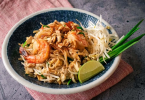
- Pad Thai
- Tom Yum Soup
- Green Curry
- Red Curry
- Massaman Curry
- Pad See Ew
- Som Tam
- Mango Sticky Rice
The best Thai restaurants are not always the most expensive. Instead, they are recognized for delivering authentic flavors, memorable dining experiences, and customer satisfaction.
Why is Best Thai Restaurants Important?
Thai cuisine represents one of the most respected culinary traditions in the world. The Best Thai Restaurants play an important role in preserving and sharing this rich heritage.
Here are several reasons why they matter:
Preserving Authentic Culture
Great Thai restaurants help preserve traditional recipes and cooking techniques passed down through generations.
Providing High-Quality Food
They focus on fresh ingredients and proper preparation methods, ensuring better taste and food safety.
Enhancing Dining Experiences
Customers enjoy not only delicious meals but also welcoming atmospheres and attentive service.
Supporting Culinary Diversity
Thai restaurants introduce people to unique flavors and ingredients they may not encounter elsewhere.
Building Community Connections
Many successful Thai restaurants become local favorites where families and friends gather to enjoy quality meals together.
Detailed Step-by-Step Guide
Step 1: Research Customer Reviews
Before visiting a restaurant, check online reviews and ratings.
Look for comments regarding:
- Food quality
- Service
- Cleanliness
- Authenticity
- Portion sizes
Consistent positive feedback is usually a good sign.
Step 2: Analyze the Menu
A strong menu often reflects a restaurant’s commitment to Thai cuisine.
Look for a variety of dishes such as:
- Curries
- Noodle dishes
- Soups
- Salads
- Desserts
Restaurants offering regional specialties often provide a more authentic experience.
Step 3: Evaluate Ingredient Quality
Fresh ingredients are essential in Thai cooking.
Pay attention to:
- Fresh herbs
- Crisp vegetables
- Quality proteins
- Aromatic spices
Fresh ingredients significantly improve flavor and presentation.
Step 4: Check Authenticity
Authentic Thai restaurants commonly use ingredients such as:
- Lemongrass
- Thai basil
- Galangal
- Kaffir lime leaves
- Fish sauce
- Coconut milk
These ingredients create the distinctive flavors Thai cuisine is known for.
Step 5: Observe Customer Service
Professional and friendly service enhances the dining experience.
Knowledgeable staff should be able to:
- Explain dishes
- Recommend menu items
- Adjust spice levels
- Accommodate dietary needs
Step 6: Inspect Cleanliness
Cleanliness reflects professionalism and attention to detail.
Evaluate:
- Dining areas
- Tables
- Restrooms
- Food presentation
A clean environment usually indicates high standards.
Step 7: Consider the Atmosphere
The atmosphere contributes significantly to customer satisfaction.
Look for:
- Comfortable seating
- Pleasant lighting
- Attractive décor
- Relaxing ambiance
Many of the Best Thai Restaurants incorporate traditional Thai design elements.
Step 8: Try Signature Dishes
Signature dishes often showcase a restaurant’s strengths.
Examples include:
- House-special curries
- Seafood specialties
- Chef-recommended dishes
These items often provide the most memorable experiences.
Step 9: Compare Value
Value goes beyond price.
Consider:
- Portion sizes
- Ingredient quality
- Service quality
- Overall experience
A slightly higher price may be worthwhile if quality is exceptional.
Step 10: Evaluate Consistency
Consistency is one of the most important qualities of top restaurants.
A truly great restaurant delivers excellent experiences repeatedly, not just occasionally.
Benefits of Best Thai Restaurants
- Authentic Thai flavors
- Fresh and high-quality ingredients
- Excellent customer service
- Diverse menu options
- Consistent food quality
- Better dining experiences
- Cultural appreciation through food
- Safe food preparation standards
- Family-friendly environments
- Memorable meals for special occasions
Disadvantages / Risks
- Premium restaurants may be expensive
- Popular locations often have long wait times
- Authentic spice levels may be too intense for some diners
- Parking availability can be limited
- Reservations may be required
- Certain traditional ingredients may not suit everyone
- Menus can be overwhelming for first-time visitors
- Quality may vary between restaurant branches
Common Mistakes to Avoid
One common mistake is choosing a restaurant solely based on price. While affordable dining is appealing, quality ingredients and skilled preparation often justify slightly higher costs.
Another mistake is ignoring customer reviews. Reviews provide valuable insights into food quality, consistency, and service.
Many diners limit themselves to only familiar dishes. While Pad Thai is excellent, exploring other menu items can lead to exciting discoveries.
Failing to communicate spice preferences is another frequent issue. Thai cuisine can range from mild to extremely spicy, so informing the staff about your comfort level helps ensure an enjoyable meal.
Some people assume every Thai restaurant offers the same experience. In reality, cooking styles, recipes, and ingredient quality can differ greatly.
FAQs
1. What dishes should I try at the Best Thai Restaurants?
Popular choices include Pad Thai, Green Curry, Tom Yum Soup, Massaman Curry, Pad See Ew, Som Tam, and Mango Sticky Rice.
2. Are the Best Thai Restaurants always expensive?
No. Many excellent Thai restaurants offer outstanding food at affordable prices. Quality depends more on ingredients and preparation than cost.
3. How can I identify an authentic Thai restaurant?
Look for traditional ingredients, diverse menu options, positive reviews, and chefs experienced in Thai cooking.
4. Is Thai food always spicy?
No. Many dishes can be prepared with different spice levels according to customer preferences.
5. Are Thai restaurants suitable for vegetarians?
Yes. Most Thai restaurants offer vegetarian options, including tofu dishes, vegetable curries, and noodle meals.
6. What makes Thai cuisine unique?
Thai cuisine is known for balancing sweet, sour, salty, spicy, and savory flavors in a single dish.
7. Can children enjoy Thai food?
Absolutely. Many Thai dishes are mild and family-friendly, making them suitable for children.
8. What dessert should I try at a Thai restaurant?
Mango Sticky Rice is one of the most popular and beloved Thai desserts worldwide.
Expert Tips & Bonus Points
Choose restaurants that prepare meals fresh to order whenever possible. Fresh preparation often results in better flavor and texture.
Ask staff for recommendations. Experienced servers usually know which dishes best represent the restaurant’s strengths.
Try regional specialties instead of ordering the same dishes every visit. Different regions of Thailand offer unique culinary traditions.
Share multiple dishes with friends or family. This allows everyone to sample a wider variety of flavors.
Visit during non-peak hours if you prefer a quieter dining experience.
Pay attention to ingredient balance rather than focusing solely on spice levels. Authentic Thai cuisine is about harmony among several flavors.
Explore seasonal menu items whenever available. Seasonal ingredients are often fresher and more flavorful.
Support locally owned Thai restaurants whenever possible. Many family-run establishments offer unique recipes and authentic experiences.
Keep notes on your favorite dishes and restaurants. Building a personal list helps you consistently find excellent dining options.
Remain open to trying unfamiliar ingredients and dishes. Some of the most rewarding culinary experiences come from stepping outside your comfort zone.
Conclusion
The Best Thai Restaurants offer much more than food. They provide a gateway into one of the world’s most vibrant and respected culinary traditions. Through authentic ingredients, balanced flavors, skilled preparation, and welcoming hospitality, these establishments create memorable dining experiences that keep customers returning again and again.
Choosing the right Thai restaurant becomes much easier when you understand the factors that truly matter. Authenticity, ingredient quality, customer service, cleanliness, menu diversity, and consistency all play essential roles in determining overall excellence. By taking the time to research reviews, evaluate menus, and explore new dishes, diners can significantly improve their chances of finding outstanding restaurants.
Thai cuisine offers incredible variety, from rich curries and flavorful noodle dishes to refreshing salads and delicious desserts. Every meal presents an opportunity to experience new flavors and gain a deeper appreciation for Thailand’s rich culinary heritage.