
Introduction
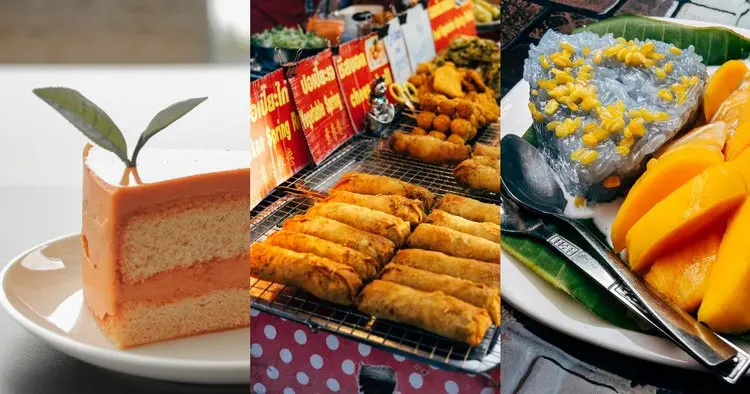
Thai desserts and sweets are an important part of Thailand’s rich culinary culture. Known for their vibrant colors, unique textures, and balanced flavors, these treats have been enjoyed for generations. Unlike many Western desserts that rely heavily on butter and cream, Thai desserts often use natural ingredients such as coconut milk, sticky rice, palm sugar, tropical fruits, and fragrant flowers.
One of the reasons Thai desserts and sweets are so popular is their variety. From refreshing fruit-based treats to rich coconut desserts, there is something for every taste preference. Many of these sweets are also connected to Thai traditions, festivals, and family celebrations. As a result, they are not just foods but cultural symbols that bring people together.
For beginners, exploring Thai desserts can be both exciting and rewarding. The ingredients are often simple, yet the final products are beautiful and delicious. Whether you want to learn about famous desserts like mango sticky rice or discover lesser-known regional specialties, understanding Thai sweets opens the door to a fascinating world of flavors.
What is Thai Desserts and Sweets?
Thai desserts and sweets refer to a wide range of traditional and modern sweet dishes originating from Thailand. They are commonly known as “khanom” in Thai culture. These desserts are often prepared using ingredients that are widely available in tropical regions.
Some of the most common ingredients include:
- Coconut milk
- Palm sugar
- Sticky rice
- Rice flour
- Tapioca flour
- Bananas
- Mangoes
- Pandan leaves
- Eggs
- Coconut flakes
Thai desserts differ from many international sweets because they focus on balancing sweetness with aroma, texture, and natural flavors. Instead of overwhelming sugar content, many recipes highlight the taste of fresh fruits and coconut.
Popular examples include:
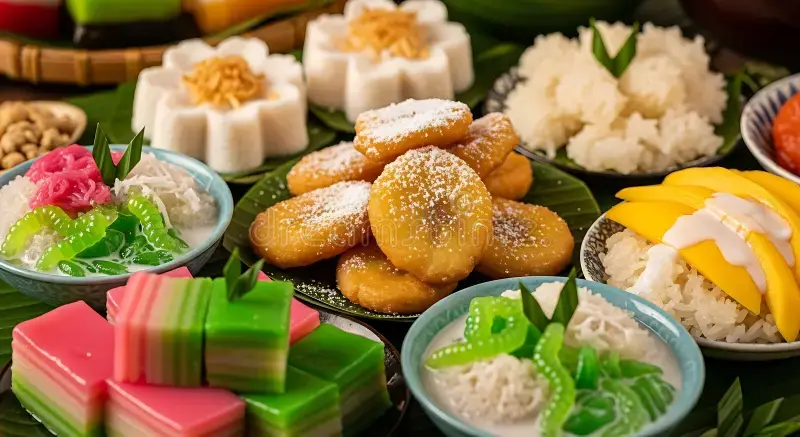
- Mango Sticky Rice
- Khanom Chan
- Tub Tim Grob
- Coconut Ice Cream
- Thai Custard
- Khanom Krok
- Bua Loy
- Foi Thong
These desserts can be found in street markets, restaurants, homes, and special celebrations throughout Thailand.
Why is Thai Desserts and Sweets Important?
Thai desserts and sweets play a significant role in Thai society and culture. They represent history, craftsmanship, and family traditions passed down through generations.
First, many desserts are connected to religious ceremonies and festivals. During important celebrations, families prepare special sweets as offerings and symbols of good fortune.
Second, these desserts support local communities. Farmers who grow coconuts, rice, bananas, and tropical fruits benefit from the demand for traditional ingredients.
Third, Thai sweets preserve cultural identity. As modern food trends spread worldwide, traditional desserts help maintain connections to heritage and local customs.
Another important aspect is tourism. Visitors from around the world often seek authentic food experiences, and Thai desserts are among the most memorable culinary attractions.
Detailed Step-by-Step Guide
Step 1: Understand the Main Ingredients
Before making Thai desserts and sweets, it is essential to become familiar with the key ingredients.
Coconut milk serves as the base for many recipes. It provides richness and a smooth texture.
Palm sugar adds a deep caramel-like sweetness that differs from refined white sugar.
Sticky rice creates the chewy texture found in many classic desserts.
Pandan leaves contribute a pleasant aroma and natural green color.
Fresh fruits such as mangoes, bananas, and jackfruit add flavor and freshness.
Step 2: Gather Proper Equipment
Most Thai desserts require only basic kitchen tools.
Useful equipment includes:
- Mixing bowls
- Measuring cups
- Steamer
- Saucepan
- Wooden spoon
- Fine strainer
- Serving dishes
Having the right tools helps achieve better consistency and presentation.
Step 3: Learn Basic Preparation Techniques
Thai desserts often rely on traditional preparation methods.
Common techniques include:
- Steaming
- Boiling
- Grilling
- Chilling
- Mixing coconut-based sauces
Mastering these techniques makes it easier to prepare a wide range of desserts successfully.
Step 4: Prepare Mango Sticky Rice
Mango sticky rice is one of the most famous Thai desserts and sweets.
Ingredients:
- Sticky rice
- Coconut milk
- Palm sugar
- Salt
- Fresh ripe mango
Instructions:
- Soak sticky rice for several hours.
- Steam until tender.
- Heat coconut milk with palm sugar and a small amount of salt.
- Mix the cooked rice with the coconut mixture.
- Allow the rice to absorb the liquid.
- Slice ripe mangoes.
- Serve the rice alongside the mango slices.
- Drizzle extra coconut sauce on top.
This dessert combines sweetness, creaminess, and freshness in a balanced way.
Step 5: Make Khanom Krok
Khanom Krok are small coconut pancakes commonly sold by street vendors.
Process:
- Prepare a batter using rice flour and coconut milk.
- Pour the mixture into a special pan.
- Cook until lightly golden.
- Add toppings if desired.
- Serve warm.
The result is crispy on the outside and creamy on the inside.
Step 6: Create Bua Loy
Bua Loy is a comforting dessert featuring colorful rice flour balls in sweet coconut milk.
Steps:
- Mix rice flour with water.
- Shape into small balls.
- Boil until they float.
- Prepare sweetened coconut milk.
- Combine and serve warm.
Many families enjoy this dessert during cooler evenings.
Step 7: Experiment with Regional Varieties
Different regions of Thailand offer unique desserts.
Examples include:
- Southern coconut sweets
- Northern rice-based treats
- Central Thai egg-yolk desserts
- Northeastern sticky rice specialties
Trying regional recipes helps expand your understanding of Thai dessert traditions.
Step 8: Focus on Presentation
Presentation is highly valued in Thai cuisine.
Tips include:
- Use fresh fruit garnishes
- Arrange ingredients neatly
- Choose attractive serving dishes
- Maintain clean portions
- Balance colors carefully
A beautiful presentation enhances the overall experience.
Step 9: Store Desserts Properly
Proper storage preserves freshness and flavor.
General guidelines:
- Refrigerate coconut-based desserts
- Cover desserts to prevent drying
- Consume fresh fruit desserts quickly
- Store ingredients separately when possible
Following these practices improves quality and safety.
Step 10: Practice and Refine Skills
Making excellent Thai desserts and sweets requires patience and repetition.
Each attempt helps improve:
- Texture
- Flavor balance
- Cooking techniques
- Presentation
- Ingredient knowledge
Consistent practice leads to better results over time.
Benefits of Thai Desserts and Sweets
Thai desserts and sweets offer several advantages when enjoyed in moderation.
- Rich cultural heritage and tradition
- Wide variety of flavors and textures
- Use of natural ingredients
- Strong connection to local agriculture
- Attractive presentation and visual appeal
- Opportunities to learn cooking skills
- Suitable for celebrations and gatherings
- Availability of fruit-based options
- Unique culinary experience
- Can be adapted for modern dietary preferences
Many traditional recipes also highlight ingredients that have been used for centuries, helping preserve cultural knowledge.
Disadvantages / Risks
Although delicious, Thai desserts and sweets have some potential drawbacks.
- Some recipes contain high amounts of sugar
- Coconut-based desserts can be calorie-dense
- Portion sizes may be easy to exceed
- Certain ingredients may be difficult to find outside Thailand
- Traditional preparation can be time-consuming
- Fresh desserts often have shorter shelf lives
- Specialized equipment may be required for some recipes
- Improper storage can affect food safety
Being aware of these factors helps consumers enjoy desserts responsibly.
Common Mistakes to Avoid
Many beginners encounter challenges when making Thai desserts and sweets. Avoiding common mistakes can improve results significantly.
One common mistake is using the wrong type of rice. Sticky rice and regular rice produce very different textures. Always choose the correct variety specified in the recipe.
Another mistake is overcooking coconut milk. Excessive heat can cause separation and negatively affect flavor. Gentle heating usually works best.
Many people also add too much sugar. Traditional Thai desserts focus on balance rather than overwhelming sweetness.
Ignoring ingredient quality is another problem. Fresh mangoes, coconut milk, and palm sugar make a noticeable difference in taste.
Poor measurement practices can lead to inconsistent results. Accurate measurements help maintain proper texture and flavor.
Some beginners rush preparation steps. Soaking rice, resting mixtures, and careful cooking often contribute to better outcomes.
Storage mistakes can also reduce quality. Leaving coconut-based desserts at room temperature for long periods may shorten freshness.
FAQs
1. What is the most popular Thai dessert?
Mango sticky rice is widely considered the most popular Thai dessert. Its combination of sweet mango, coconut milk, and sticky rice has gained international recognition.
2. Are Thai desserts very sweet?
Many Thai desserts are sweet, but they usually balance sweetness with coconut, fruit, or aromatic ingredients. The sweetness level often feels more complex than many processed desserts.
3. Can beginners make Thai desserts at home?
Yes. Many recipes use simple ingredients and straightforward techniques. Starting with mango sticky rice or Bua Loy is a good option for beginners.
4. What ingredients are commonly used in Thai sweets?
Common ingredients include coconut milk, palm sugar, sticky rice, rice flour, tapioca flour, fruits, eggs, and pandan leaves.
5. Are Thai desserts suitable for vegetarians?
Many Thai desserts are vegetarian. However, some recipes contain eggs, so it is important to check ingredient lists carefully.
6. How should Thai desserts be stored?
Storage depends on the dessert type. Coconut-based desserts should generally be refrigerated, while fresh fruit desserts are best consumed soon after preparation.
7. Why is coconut milk used so often?
Coconut milk is abundant in Thailand and provides a rich texture and distinctive flavor that complements many dessert recipes.
8. Can Thai desserts be made healthier?
Yes. Reducing sugar, controlling portion sizes, and incorporating more fresh fruit can create lighter versions while maintaining traditional flavors.
Expert Tips & Bonus Points
Choose seasonal fruits whenever possible. Fresh, ripe ingredients significantly improve flavor and texture.
Use authentic palm sugar instead of refined sugar when making traditional recipes. The deeper flavor profile creates a more authentic result.
When working with sticky rice, soak it adequately before cooking. Proper soaking contributes to the desired texture.
Do not rush cooling or resting periods. Many Thai desserts develop better flavor and consistency after sitting for a short time.
Experiment with pandan leaves to add fragrance naturally. They are a signature ingredient in many traditional recipes.
Balance sweetness carefully. Taste throughout the cooking process and make adjustments gradually.
Learn about regional specialties to expand your skills and appreciation of Thai culinary diversity.
Serve desserts in small portions. This approach highlights quality and allows guests to sample multiple treats.
Practice decorative presentation techniques. Attractive serving styles make desserts more memorable.
Keep notes about ingredient quantities and cooking times. Personal records help refine recipes and ensure consistent success.
Conclusion
Thai desserts and sweets represent far more than simple treats. They are a reflection of Thailand’s history, culture, creativity, and deep appreciation for flavor. Through ingredients such as coconut milk, sticky rice, palm sugar, and tropical fruits, Thai cooks have developed a remarkable collection of desserts that continue to delight people around the world.
One of the greatest strengths of Thai sweets is their diversity. Whether you enjoy creamy coconut-based dishes, refreshing fruit desserts, or delicate steamed cakes, there is a dessert suited to nearly every preference. Their connection to festivals, family traditions, and regional customs adds another layer of meaning that makes them especially memorable.
For beginners, learning about Thai desserts and sweets can be an enjoyable journey. Many recipes are approachable, and the ingredients are becoming increasingly available in international markets. With patience, practice, and attention to detail, anyone can begin creating authentic Thai-inspired treats at home.