
Introduction
Thailand is one of the most beautiful travel destinations in Southeast Asia. The country is famous for its rich culture, delicious food, tropical islands, and breathtaking religious landmarks. Among all attractions, the famous temples in Thailand hold a special place in the hearts of travelers. These temples are not only places of worship, but they also represent centuries of history, art, spirituality, and tradition.
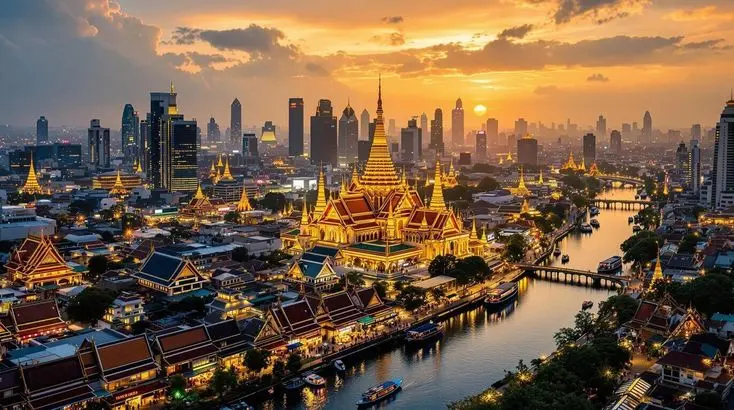
Every year, millions of visitors explore Thailand to experience the peaceful atmosphere inside these sacred places. From the golden rooftops of Bangkok to the mountain temples in Chiang Mai, every temple tells a unique story. Some temples are known for giant Buddha statues, while others are famous for detailed architecture and ancient religious treasures.
Visiting the famous temples in Thailand is also a wonderful way to understand Thai culture. Monks chanting prayers, incense filling the air, and the calm environment create an unforgettable experience for travelers. Whether you are a history lover, photographer, or spiritual traveler, Thailand’s temples offer something special.
What is Famous Temples in Thailand?
The term famous temples in Thailand refers to the most popular and culturally important Buddhist temples located across the country. These temples are commonly called “Wat” in Thai language. Thailand has more than forty thousand temples, but only a few have gained worldwide recognition because of their beauty, historical importance, and spiritual atmosphere.
Most Thai temples follow Buddhist traditions and serve as centers for prayer, meditation, religious ceremonies, and education. They are often decorated with golden statues, colorful glass mosaics, dragon sculptures, and detailed paintings showing scenes from Buddhist teachings.
Some temples are located in busy cities, while others are hidden in mountains or forests. Famous temples attract both local worshippers and international tourists. People visit them to learn about Thai culture, admire architecture, and experience peace away from crowded city life.
The famous temples in Thailand are also symbols of national identity. They represent the connection between Thai history, religion, and royal traditions. Many temples were built hundreds of years ago and are carefully preserved by the government and local communities.
Why is Famous Temples in Thailand Important?
Thailand’s temples are important for cultural, historical, religious, and tourism reasons. They help preserve the spiritual traditions of Buddhism while also supporting local economies through tourism.
First, temples are important religious centers for Thai people. Many locals visit temples regularly to pray, make donations, and celebrate festivals. Buddhist monks also live and study inside temple grounds.
Second, the famous temples in Thailand protect ancient art and architecture. Detailed carvings, murals, statues, and traditional building styles can still be seen today because these temples are preserved carefully.
Another reason these temples are important is education. Visitors learn about Buddhism, Thai customs, respect, and spiritual values. Many travelers say visiting temples helped them better understand Thailand beyond beaches and shopping malls.
Tourism is another major factor. Millions of travelers visit temple sites every year, which creates jobs for local businesses, guides, transportation services, and nearby restaurants.
Detailed Step-by-Step Guide
1. Visit Wat Phra Kaew in Bangkok
Wat Phra Kaew is one of the most famous temples in Thailand and is located inside the Grand Palace complex in Bangkok. It is known as the Temple of the Emerald Buddha.
The Emerald Buddha statue is highly respected in Thai culture. Visitors admire the golden buildings, detailed artwork, and royal history connected to the temple.
Tips for visiting:
- Wear modest clothing.
- Visit early in the morning.
- Carry water because Bangkok weather is hot.
- Respect photography rules inside sacred areas.
2. Explore Wat Arun
Wat Arun, also called the Temple of Dawn, sits beside the Chao Phraya River in Bangkok. It is famous for its tall central tower decorated with colorful porcelain pieces.
The temple looks especially beautiful during sunrise and sunset. Visitors can climb parts of the tower and enjoy river views.
Best activities at Wat Arun:
- Take photographs near sunset.
- Explore the riverside area.
- Learn about Thai Buddhist architecture.
- Enjoy a boat ride nearby.
3. Discover Wat Pho
Wat Pho is another important temple in Bangkok. It is famous for the giant reclining Buddha statue covered in gold leaf.
The temple is also known as the birthplace of traditional Thai massage. Travelers often enjoy massage schools and wellness centers near the temple.
Important highlights include:
- The giant reclining Buddha.
- Ancient murals.
- Meditation spaces.
- Traditional Thai massage services.
4. Experience Wat Rong Khun in Chiang Rai
Wat Rong Khun, also called the White Temple, is one of the most unique famous temples in Thailand. Unlike traditional golden temples, this temple is bright white with mirror decorations.
The temple combines Buddhist themes with modern artistic designs. Visitors are often surprised by its creative style.
Travel advice:
- Visit during daylight for better photos.
- Respect temple silence.
- Read about the artwork before entering.
- Avoid crowded holiday periods.
5. Visit Wat Phra That Doi Suthep in Chiang Mai
Located on a mountain near Chiang Mai, this temple offers amazing city views and spiritual beauty.
Travelers can climb stairs lined with dragon statues or use a cable car. The golden stupa shines beautifully under sunlight.
Reasons to visit:
- Panoramic views of Chiang Mai.
- Peaceful mountain atmosphere.
- Traditional Buddhist ceremonies.
- Beautiful golden architecture.
6. Explore Ayutthaya Historical Temples
Ayutthaya was once the capital of Thailand. Today, the city contains ancient temple ruins that attract travelers from around the world.
Popular temple sites include Wat Mahathat and Wat Chaiwatthanaram.
Visitors enjoy:
- Historical ruins.
- Bicycle tours.
- Photography opportunities.
- Cultural exploration.
7. Respect Temple Etiquette
Understanding temple etiquette is important when visiting the famous temples in Thailand.
Basic etiquette includes:
- Remove shoes before entering sacred areas.
- Dress respectfully.
- Avoid loud conversations.
- Never point feet toward Buddha statues.
- Show respect to monks.
8. Plan the Best Travel Season
Thailand’s cool season between November and February is ideal for temple visits. The weather is more comfortable for walking and sightseeing.
Avoid extremely hot afternoons whenever possible. Morning visits are often quieter and more peaceful.
9. Learn Basic Cultural Rules
Thai culture values politeness and respect. Smiling, speaking softly, and following local customs create a positive experience.
Learning a few Thai greetings can also improve communication with locals.
10. Capture Responsible Photography
Photography is allowed in many temples, but travelers should always follow local rules.
Avoid:
- Flash photography in sacred areas.
- Disrupting worshippers.
- Climbing restricted structures.
- Taking disrespectful poses near statues.
Benefits of Famous Temples in Thailand
Visiting Thailand’s temples offers many benefits for travelers.
- Helps travelers understand Thai culture deeply.
- Provides peaceful and spiritual experiences.
- Offers excellent photography opportunities.
- Allows visitors to learn Buddhist traditions.
- Supports local tourism and businesses.
- Creates memorable travel experiences.
- Encourages mindfulness and relaxation.
- Gives insight into ancient architecture.
- Helps travelers explore historical landmarks.
- Offers opportunities for meditation and reflection.
The famous temples in Thailand are more than tourist attractions. They help visitors connect emotionally with the country’s traditions and people.
Disadvantages / Risks
Although visiting temples is rewarding, travelers should also understand possible challenges.
- Some temples become overcrowded during peak seasons.
- Hot weather can make long walks uncomfortable.
- Strict dress codes may surprise tourists.
- Photography restrictions exist in some sacred areas.
- Scams may happen near tourist-heavy locations.
- Transportation costs can increase during holidays.
- Climbing steep stairs may be difficult for some visitors.
- Lack of cultural knowledge can lead to accidental disrespect.
Travelers who prepare properly usually avoid most problems and enjoy a smoother experience.
Common Mistakes to Avoid
Many tourists unknowingly make mistakes while visiting temples. Avoiding these problems can improve your trip significantly.
Wearing Inappropriate Clothing
Short shorts, sleeveless tops, and revealing clothes are often not allowed inside temples. Always carry a scarf or lightweight jacket.
Visiting During Peak Heat
Thailand can become extremely hot during midday. Morning visits are more comfortable and less crowded.
Ignoring Cultural Rules
Some travelers forget to remove shoes or behave too casually in sacred areas. Respectful behavior is essential.
Rushing Through Temple Visits
Many tourists spend only a few minutes at each location. Taking time to observe details makes the experience more meaningful.
Not Researching Temple History
Understanding the story behind each temple adds depth and appreciation to your visit.
Carrying Too Many Items
Large bags and unnecessary belongings can become uncomfortable during long temple tours.
Taking Disrespectful Photos
Posing improperly near Buddha statues or disturbing worshippers can offend local people.
Forgetting Hydration
Thailand’s climate is warm and humid. Always carry water during sightseeing.
FAQs
1. What is the most famous temple in Thailand?
Wat Phra Kaew in Bangkok is widely considered the most famous temple in Thailand because of the Emerald Buddha and its connection to the Thai royal family.
2. Are Thailand temples free to visit?
Some temples are free, while others charge entrance fees for tourists. Prices usually depend on the popularity and historical importance of the site.
3. What should I wear when visiting Thai temples?
Visitors should wear modest clothing that covers shoulders and knees. Comfortable shoes are also recommended because walking is common.
4. Can tourists take photos inside temples?
Photography is allowed in many temples, but some areas restrict photos. Always look for signs and respect local rules.
5. Which city has the best temples in Thailand?
Bangkok, Chiang Mai, and Ayutthaya are among the best cities for exploring famous temples in Thailand.
6. What is the best time to visit temples in Thailand?
The cool season from November to February offers pleasant weather and comfortable sightseeing conditions.
7. Why are Buddhist temples important in Thailand?
They are important because Buddhism plays a major role in Thai culture, history, education, and daily life.
8. Can non-Buddhists visit Thai temples?
Yes, non-Buddhists are welcome to visit most temples as long as they respect local customs and religious traditions.
Expert Tips & Bonus Points
Experienced travelers often use smart strategies to improve temple visits in Thailand.
Start Early
Arriving early in the morning helps avoid crowds and strong heat. The atmosphere is also quieter and more peaceful.
Carry Cash
Some temples and local markets only accept cash payments. Keeping small bills is useful.
Hire Local Guides
Local guides provide historical details and cultural insights that many travelers miss.
Combine Temple Tours with Local Food
Exploring nearby street food markets after temple visits creates a richer cultural experience.
Respect Meditation Areas
Some temples have dedicated meditation zones. Maintaining silence in these areas is very important.
Use Comfortable Transportation
Tuk-tuks, taxis, boats, and trains are common transportation options in Thailand. Choose the safest and most convenient method for your journey.
Keep Emergency Essentials
Travelers should carry sunscreen, water, sunglasses, and comfortable walking shoes.
Visit Lesser-Known Temples
Although major temples are popular, smaller local temples often provide quieter and more authentic experiences.
Learn Basic Buddhist Symbols
Understanding lotus flowers, Buddha poses, and temple symbols can make sightseeing more interesting.
Respect Local Worshippers
Remember that temples are active religious places, not only tourist attractions.
Conclusion
The famous temples in Thailand represent the heart and soul of the country’s culture. They are more than beautiful buildings because they preserve centuries of spiritual beliefs, artistic traditions, and historical stories. From the magnificent Wat Phra Kaew in Bangkok to the peaceful mountain temples of Chiang Mai, every location offers a unique experience.
Travelers who explore these sacred places gain a deeper understanding of Thailand and its people. The calm atmosphere, detailed architecture, golden statues, and Buddhist traditions create unforgettable memories for visitors from around the world.
By exploring these sacred landmarks respectfully, travelers not only enjoy stunning attractions but also connect with the deeper cultural identity of Thailand. A temple journey through Thailand can become one of the most rewarding and meaningful travel experiences of your life.