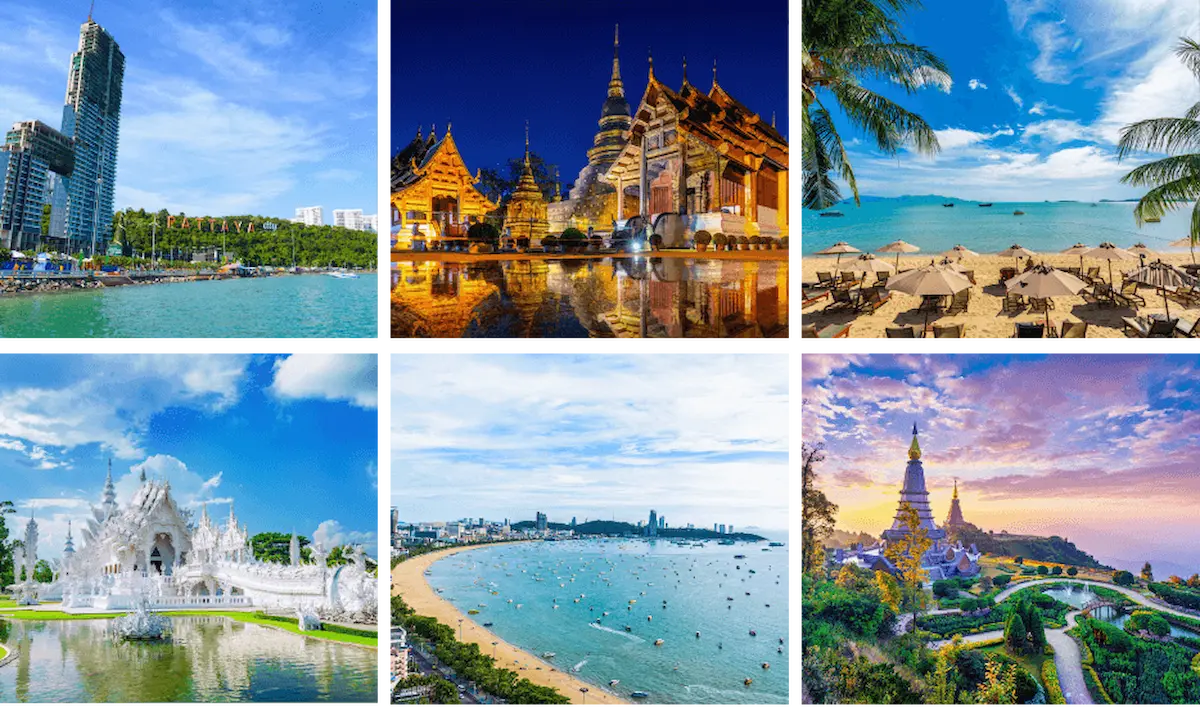
Thailand Rewards the Prepared and Gently Taxes the Rest
Thailand is one of the world’s easiest countries to travel and one of the easiest to travel slightly wrong: the wrong season for the wrong coast, the temple visited in beach clothes, the “helpful” stranger whose gem shop never closes. None of the mistakes are dangerous in the usual case — they are just expensive in money, time, or dignity. These thailand travel tips collect the knowledge first-timers most often wish they had landed with: how the seasons actually divide by region, how to move around a country built on everything from sleeper trains to tuk-tuks, the money and phone basics, the etiquette that opens doors, and the short list of classic scams — included so you can recognise and decline them with a smile.
Seasons: Two Coasts, Two Calendars
Thailand’s weather mistake is assuming one rainy season. The Andaman coast (Phuket, Krabi, Koh Lanta) and the Gulf coast (Koh Samui, Koh Phangan, Koh Tao) run on opposite monsoons: the Andaman is driest roughly November to April and wettest May to October, while the Gulf peaks a little later and takes its heaviest rain around October to December. Bangkok and the north (Chiang Mai, Chiang Rai) are hot year-round, coolest and most pleasant November to February — with one modern caveat: the north’s burning season (roughly February to April) can bring serious haze, the single strongest argument for timing a northern trip in the cool months. The practical synthesis: December to February suits almost everywhere; shoulder months reward flexibility with lower prices and fewer crowds; and a wet-season trip is no disaster — rain arrives in dramatic afternoon hours, not week-long sieges — provided the island ferries still run, which is the one check to make before committing to a small island in September.
Getting Around: Trains, Boats, and the Tuk-Tuk Rule
Domestic movement is rich and cheap. Budget airlines connect the regions in an hour for the price of a long bus ride — worth it for any itinerary over ten days; book a few weeks ahead for the real fares. Sleeper trains to Chiang Mai and the south are an experience in themselves and save a hotel night; second-class air-con berths are the sweet spot, booked early in high season. In Bangkok, the Skytrain and metro are the fast lane over traffic that otherwise defines your day; river boats are the scenic one. Island ferries and speedboats run to published schedules that weather edits without asking permission — never schedule a flight home the same morning as a ferry off a small island. And the tuk-tuk rule, universal and simple: agree the price before the wheels move, or use the ride-hailing apps that price it for you. Taxis: insist on the meter, politely, with a smile and a willingness to take the next one — it almost always works.
Money, Phones, and Temple Etiquette
The logistics layer, quickly. Cash still rules at markets, stalls, and small islands; ATMs are everywhere but charge a flat foreign-card fee that punishes small withdrawals, so take fewer, larger amounts and decline the machine’s own conversion rate in favour of your bank’s. A local SIM or eSIM at the airport — cheap, fast, generous data — turns maps, translation, and ride-hailing into non-issues for the whole trip, and the translation app is your menu-decoder for the food adventures in our thai food for beginners guide. Etiquette essentials: dress covered (shoulders, knees) for temples and carry a light scarf for the purpose; remove shoes where indicated; never touch anyone’s head or point your feet at people or Buddha images; stand for the national anthem in cinemas and public places; and treat monks with visible respect, including women not handing objects directly to them. The wai — palms together, slight bow — returned to anyone who offers it, with a smile, will carry you further than any phrasebook; add sawasdee and khop khun and Thailand visibly warms.
The Classic Scams, So You Can Skip Them
Forewarned is unbothered; the repertoire is small and stable. The closed attraction: a friendly stranger announces the temple or palace is closed today (for a ceremony, cleaning, a holiday) and offers a tour instead — the attraction is open; the tour ends in shops paying him commission. Verify at the gate, always. The gem and tailor circuit: any “special government sale, today only” reached via a stranger’s tuk-tuk is a script, however the day began. The jet-ski and rental damage claim: photograph any rental — bike, boat, jet-ski — from every angle before use, and prefer renting through your accommodation. The over-helpful bar bill: check prices before ordering in nightlife areas and keep your own tally. None of this should tint the country: Thailand’s ordinary honesty-to-tourists ratio is high, and the correct posture is neither suspicion nor naivety but the informed ease this list is meant to produce.
Health and Packing: The Small Print
A short paragraph that saves trips. The sun at Thai latitudes is stronger than visitors from temperate countries expect — sunscreen applied before the boat, not on it, and a hat you will actually wear. Mosquito protection matters most at dawn and dusk and in rural areas; pharmacies are excellent and inexpensive for anything forgotten. Drink water generously (the heat tax is dehydration, and it masquerades as tiredness and headaches), carry a light layer for arctic air-conditioning on transport, and keep digital copies of your passport and insurance in your email. Travel insurance that covers medical care and activities you genuinely plan — scooters included, since an uninsured scooter accident is the classic expensive Thailand mistake — is the least glamorous and most valuable booking of the trip.
The Bottom Line
Thailand travel tips for a first trip: match coasts to their opposite seasons and the north to its cool, clear months; fly between regions, sleep on trains, meter or app every ride, and never ferry-and-fly the same morning; carry cash in sensible amounts, get the airport SIM, dress for temples, and smile through every scam with a no and a gate-check. Do those, and what remains is the Thailand people keep returning to — which, statistically, you are about to join.